This is how the AI article summary could look. Lorem ipsum dolor sit amet, consectetur adipiscing elit, sed do eiusmod tempor incididunt ut labore et dolore magna aliqua. Ut enim ad minim veniam, quis nostrud exercitation ullamco laboris nisi ut aliquip ex ea commodo consequat.
Tacrolimus – a tablet used for suppressing immune system
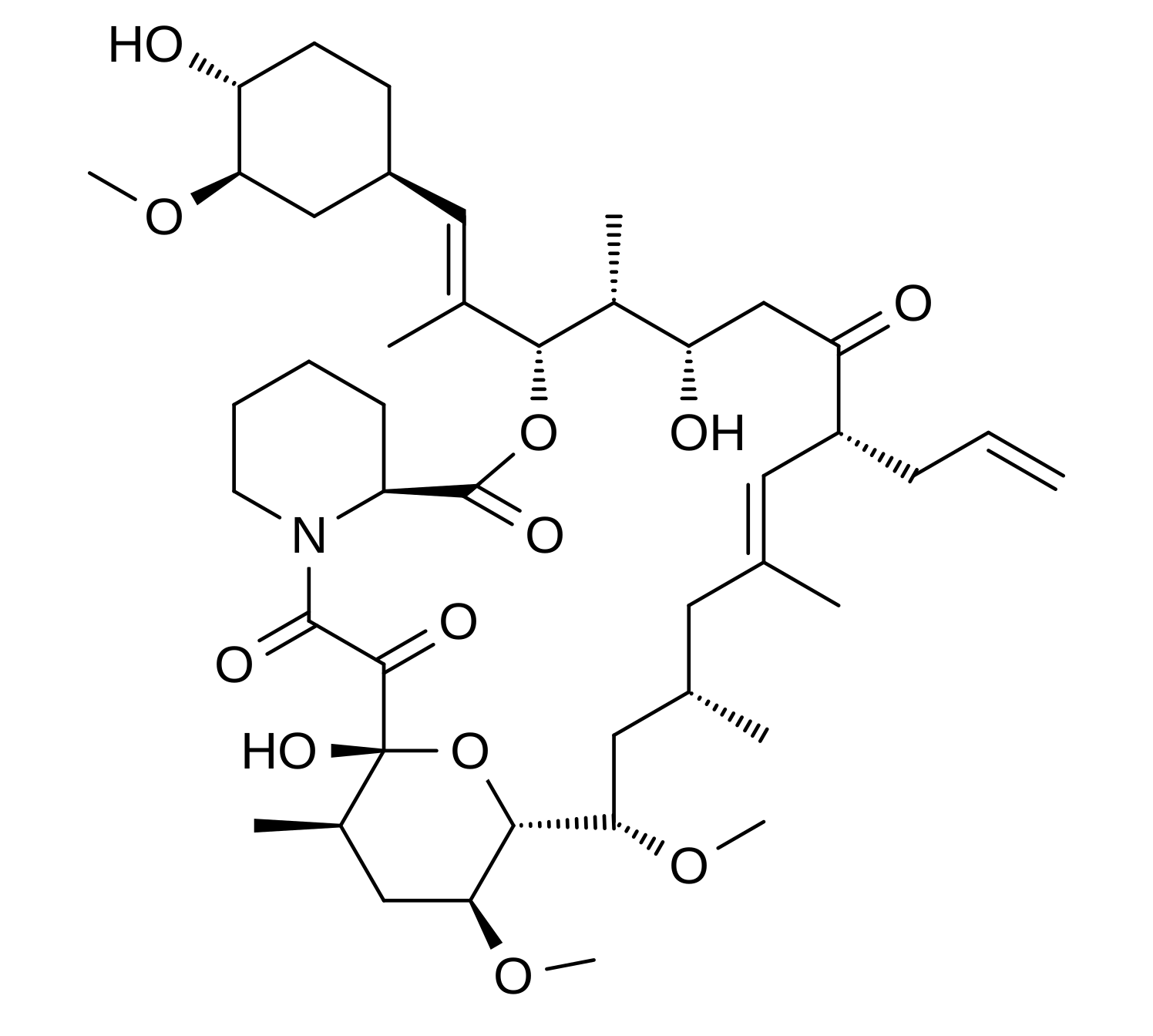
What is tacrolimus?
- Tacrolimus is a potent immunosuppressant.
- Like ciclosporin, it belongs to the group of medicines known as calcineurin inhibitors (CNIs).
- It is designed to dampen the body’s natural defense system to prevent it from attacking transplanted organs or its own healthy tissues.
Uses
Tacrolimus is used to treat people with:
- Organ transplants: To prevent rejection of a kidney, liver, heart, lung or bone marrow.
- Bone marrow transplants: To prevent Graft-versus-Host Disease (GvHD).
- Autoimmune conditions: Such as severe atopic dermatitis (eczema) or ulcerative colitis (when other treatments fail).
- Glomerulonephritis/Nephrotic syndrome: Certain types of autoimmune kidney disease.
Dosage
- Dose: Highly individualised based on blood levels and the organ transplanted (e.g. 0.05–0.30 mg/kg daily).
- Frequency: Usually taken twice daily (every 12 hours). Some extended-release versions (like Envarsus or Advagraf) are taken once daily.
- Form: Available as capsules, granules for oral suspension, or an ointment for skin conditions.
- Brand specific (crucial): Different brands (e.g. Prograf, Adoport, Advagraf, Envarsus) release the medicine into the body at different rates. You must always stay on the same brand unless specifically switched by your transplant specialist.
Note. Consistency: Take it at the same time every day to keep blood levels steady (see below).
Side-effects
Common side-effects
- Kidney toxicity: Tacrolimus (and all CNIs) are toxic to the kidneys and can worsen renal (or kidney transplant) function. This is why the minimum dose should be used, and levels monitored (see below).
- High blood pressure (Hypertension).
- Tremors: Involuntary shaking, usually in the hands.
- Diabetes (new-onset after transplantation; called NODAT): Tacrolimus can reduce insulin production, leading to high blood sugar, and diabetes – in up to 30% of patients. This is usually not reversible.
- Insomnia: Difficulty sleeping or staying asleep.
- Headaches: A very common early side effect.
- Hair loss: Whereas ciclosporin causes male-pattern hair gain (hirsutism).
Less common (but more serious) side-effects
- Severe Infection: Increased vulnerability to ‘opportunistic’ infections because the immune system is lowered.
- Neurological 1 (PRES): A rare condition called Posterior Reversible Encephalopathy Syndrome, involving seizures, visual changes, or severe headaches.
- Neurological/Psychiatric 2: Loss of consciousness, confusion, changes in mental state, numbness, or tingling.
- Electrolyte Imbalance: High potassium levels (hyperkalaemia) or low magnesium.
- Cancer: Increased risk of skin cancers and post-transplant lymphoproliferative disorder (PTLD; a form of lymphatic cancer).
- Blood/Vascular: Thrombotic microangiopathy (TMA; damage to small vessels), haemolytic anaemia, and abnormal bleeding or bruising.
- Liver: Jaundice (yellowing of skin/eyes), nausea, vomiting, and upper abdominal pain.
- Heart: Ciclosporin rarely causes cardiomyopathy.
Note: Avoid grapefruit and St. John’s Wort. These interact heavily with tacrolimus and can cause your blood levels to become dangerously high or too low.
How it works
- It works by inhibiting the activation of T-lymphocytes (T-cells), which are the ‘soldier’ cells of the immune system.
- By blocking the chemical signal (calcineurin) that tells these cells to attack, tacrolimus effectively quiets the immune response.
Monitoring
Tacrolimus has a ‘narrow therapeutic index’, meaning the gap between a helpful dose and a toxic dose is small.
Your doctor should monitor:
- Blood (‘trough’) levels: Regular blood tests to measure the concentration of tacrolimus in your blood. This is usually done in the morning before your morning dose. You should miss the morning dose, then take it after the blood test.
- Kidney function: Regular checks of creatinine and GFR.
- Blood glucose: Monitoring for the development of diabetes.
- Blood pressure: To ensure the medication isn’t causing hypertension.
- Liver function.


