What Should Your GFR Be At 60 Years Old?
July 1, 2026
What Should Your GFR Be At 60 Years Old? Men aged 60 years: Average GFR is 89 ml/min (but with a wide range: 66-102 ml/min) Women aged 60 years: Average GFR is 88 ml/min (but with a wide ran...


Urine is far more than a simple waste product.
It is a dynamic fluid that serves as a sophisticated diagnostic tool, an evolutionary adaptation, and a historical resource.
From ancient medical practices to the survival secrets of desert wildlife and astronauts, urine tells a vivid story of survival, chemistry, and culture.
A single urine sample can reveal an astonishing amount about your health.
Normal urine under a microscope
Before modern diagnostics, physicians relied on uroscopy (visual examination of urine).
In ancient Rome, urine was big business.
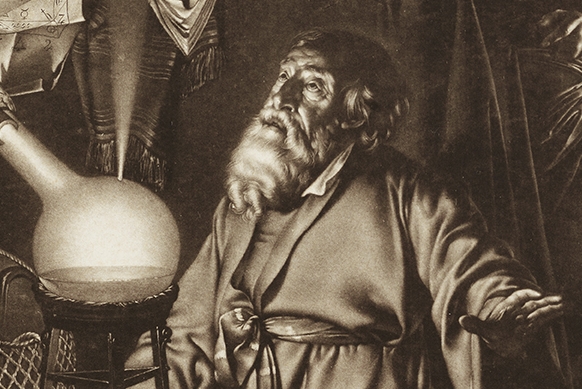
A failed alchemical experiment changed chemistry forever.
Many rodents communicate in wavelengths humans cannot see.
In extreme environments, urine becomes a survival tool.
Animals use urine to send complex messages.
On the ISS, nothing goes to waste — not even waste.
Urine has played a surprising role in modern medicine.
Asparagus genetics: Eating asparagus causes a distinct, pungent smell in urine due to the breakdown of sulphur-containing compounds. However, only about 50% of the population has the specific gene required to actually smell it.
Human bladder capacity: Did you know the average human bladder is only 300-400 millilitres of urine? Yes. Quite small.
Hence after a couple of pints in the pub, you will he heading for a wee soon. This is also why most people urinate 6–8 times per day.
The pH of urine is very variable: It ranges from 4.5 to 8.0, reflecting its acidic to alkaline nature. This variability is influenced by diet, hydration, disease and other metabolic factors.
Other vertebrates excrete urine differently: Not all animals excrete urine in the same way. Birds and reptiles, for instance, eliminate waste through the cloaca, a single opening for excretion and reproduction.
Urine is not merely waste — it is a biological archive, a scientific catalyst, a survival mechanism, and a cultural artefact.
From ancient diagnostics to space‑age recycling, this remarkable fluid has shaped human history and continues to influence medicine, ecology, and technology.
The next time you flush the toilet, remember: you’re discarding one of biology’s most fascinating and unexpectedly useful creations.
What Should Your GFR Be At 60 Years Old? Men aged 60 years: Average GFR is 89 ml/min (but with a wide range: 66-102 ml/min) Women aged 60 years: Average GFR is 88 ml/min (but with a wide ran...
Why is a Kidney Biopsy Needed? A kidney biopsy is a specialised medical procedure where a tiny piece of kidney tissue is removed for examination under a microscope. Whilsy many people worry when they ...
What is Obstructive Nephropathy? Obstructive nephropathy is kidney damage caused by a blockage that prevents urine from flowing normally out of the kidneys. Think of it like a plumbing issue: when a p...
Chronic Kidney Disease: Symptoms, 5 Stages and Treatment Written by Dr Andrew Stein, Consultant Nephrologist (UHCW Coventry). Last updated: July 2026 Chronic Kidney Disease (CKD) is a long-term condit...

