How to Lose Weight: 2000-Calorie Rule
Written by Dr Andrew Stein, Consultant Physician (Hospital Specialist), UHCW Coventry. Last updated: July 2026
Many of my patients have diabetes, high blood pressure (BP), CKD and a high cholesterol. All 4 are ‘silent killers’. All 4 respond well to weight loss if the patient is overweight.
So this article is the advice I give my patients on their journey to weight loss and better health.
Losing weight often seems a complex process – but the physiological reality is simple.
Weight loss (or gain) depends on energy balance. This means ..
- You will lose weight if you consistently maintain a calorie deficit – consuming fewer calories than your body needs. And conversely ..
- You will gain weight if you consistently maintain a calorie excess – consuming more calories than your body needs.
While the principle is easy to grasp, the modern food environment makes consistency a challenge.
1. Golden Rule: Calculating Your Calorie Deficit
The most effective way to lose weight without triggering extreme hunger is a moderate deficit.
Clinical experts at the Mayo Clinic suggest, if you want to lose weight, aiming for approximately 500 calories below your needs (called Total Daily Energy Expenditure, TDEE).
-
Men: Should target under 2,000 calories per day.
-
Women: Should target under 1,500 calories per day.
By adhering to these targets at least six days a week, you create a ‘biological necessity’ for your body to tap into stored adipose tissue (fat) for fuel.
Understanding Maintenance Calories by Age
Your ‘maintenance’ is the number of calories required to keep your weight stable. As we age, our metabolic rate naturally slows due to changes in muscle mass, changing your maintenance needs.
| Age Group |
Men (To Maintain) |
Women (To Maintain) |
| 18–30 years |
2,500–3,000 kcal |
2,000–2,500 kcal |
| 31–59 years |
~2,500 kcal |
~2,000 kcal |
| 60+ years |
2,000–2,500 kcal |
1,500–2,000 kcal |
Top Tip: Use the NIH Body Weight Planner for a mathematically precise calculation based on your current activity level.
2. Why Weight Control is a Vital Preventative Medicine
Weight loss is the most potent tool for reducing the risk of chronic disease. In the UK, nearly two-thirds of adults are above a healthy weight. Excess weight acts as a pro-inflammatory state, significantly increasing the risk of:
-
Type 2 Diabetes: Excess fat interferes with insulin sensitivity, and causes Type 2 Diabetes. Learn more via Diabetes UK.
-
Cardiovascular Health: Obesity is a primary driver of high blood pressure, ischaemic heart disease (IHD) and strokes. The British Heart Foundation highlights that even 5% weight loss significantly improves heart function.
-
Physical Strain: Every kg (2 pounds) of weight puts 4kg (8 pounds) of pressure on knee joints, leading to Osteoarthritis.
-
Mental Wellbeing: Achieving weight goals is linked to improved self-confidence and reduced anxiety.
3. 5 Practical Pillars to Losing Weight
1. ‘T-Plate’ Method for Portion Control
Visual cues are often more effective than scales. Use a medium-sised plate and apply the NHS’s Eatwell Guide principles:
Exactly what you eat and when doesn’t matter that much. No starters. No puddings.
2. Eliminating ‘Liquid Calories’ and Snacks
Liquid calories don’t trigger fullness. Swap juices, ‘milky lattes’ and milkshakes, for water, diet drinks, or simple coffee or tea.
No snacks. Full stop. No crisps, nuts (most calorific food), sweets. Biscuits or cakes. Don’t eat between meals.
For those who drink alcohol, be aware that it contains 7 calories per gram—almost as much as pure fat. See more below.
3. Using Food Calorie Apps
Self-monitoring is the highest predictor of success. People who track their food lose significantly more weight.
-
MyNetDiary: Renowned for its massive, verified food database and ease of use.
-
Noom: Focuses on the psychology of eating and habit-building.
4. Exercise
You cannot ‘out-run a bad diet;’ but movement preserves muscle mass, and in that way, helps overall health. It does not (repeat not) help you lose weight. Why?
You need to walk 7km to burn 500 calories—the equivalent of one small meal.
Nonetheless, it is a good idea to aim for 150 minutes of moderate activity per week.
5. Structured Monitoring
Weigh yourself once a week—ideally Monday morning. You may see a large drop in the first week as your body sheds water weight and glycogen.
5. Alcohol
Beer and wine (and all forms of alcohol) are highly calorific.
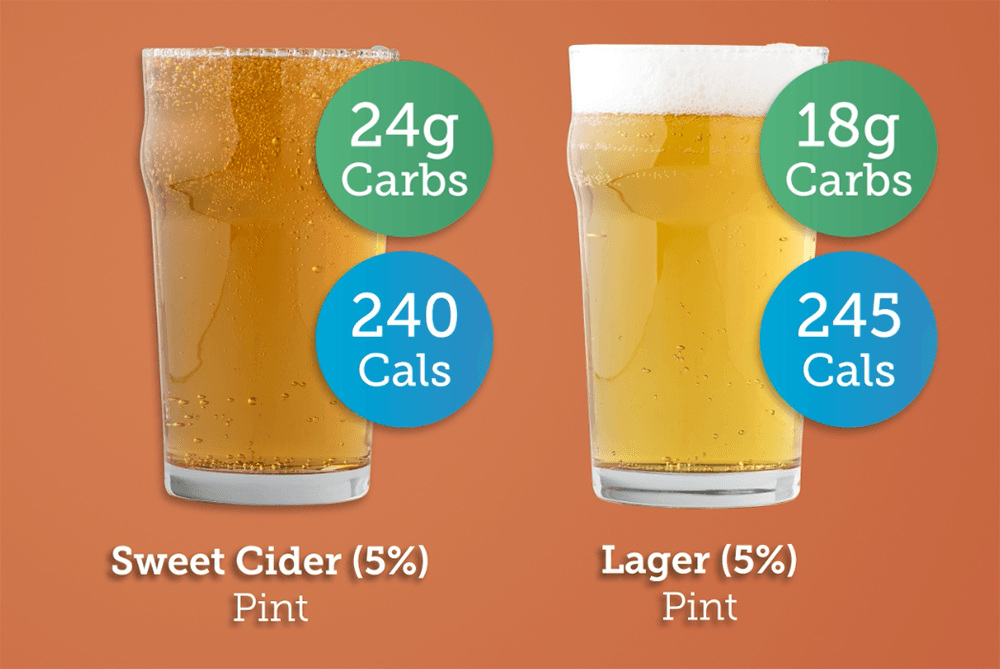
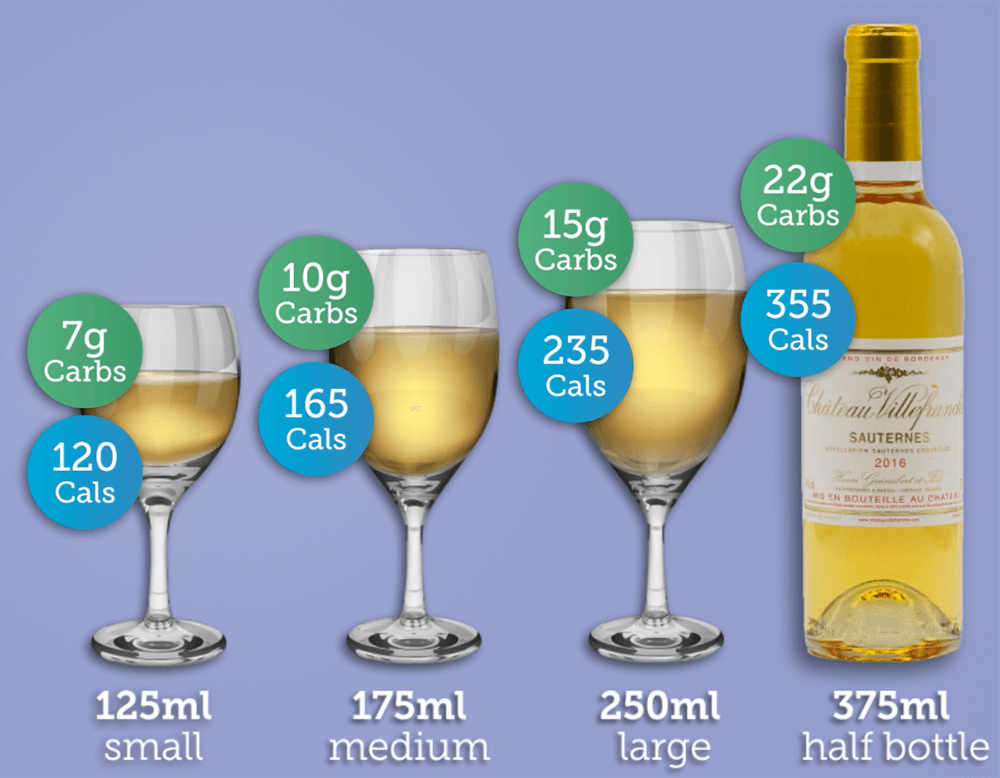
If you have to drink, spirits (plus or minus a slimline mixer) are best.
It’s better to drink minimal or no alcohol.
6. Medical Pathways: When Lifestyle Isn’t Enough
If lifestyle changes alone aren’t working, the NHS offers other robust solutions:
-
NHS Digital Weight Management: A free 12-week programme for those with a BMI over 30 and existing health conditions. Check your eligibility on the NHS England site.
-
Weight-Loss Medications (‘GLP-1s’): Medications like Mounjaro (Tirzepatide) or Wegovy (Semaglutide) are now available via the NHS for specific criteria. Consult the NICE Guidelines for medical requirements.
-
Bariatric Surgery: For severe obesity, surgery remains a life-changing option requiring a GP referral.
Summary: Consistency Over Perfection
Weight loss doesn’t require a ‘perfect’ diet. It requires a consistent one, over many months.
I.e. you need to consistently eat under 2000 calories a day – at worst 6 days a week, with one day bending the rules a little.
If you stay under your calorie target for at least six days a week, your body has no choice but to utilise stored energy.
Other resources
10 best weight loss tips
How far do you have to walk to burn off 500 calories?
Tips to help you lose weight (NHS)


