This is how the AI article summary could look. Lorem ipsum dolor sit amet, consectetur adipiscing elit, sed do eiusmod tempor incididunt ut labore et dolore magna aliqua. Ut enim ad minim veniam, quis nostrud exercitation ullamco laboris nisi ut aliquip ex ea commodo consequat.
Calcium Acetate – a phosphate binder for kidney bone disease
Calcium acetate is a phosphate binding tablet for CKD patients
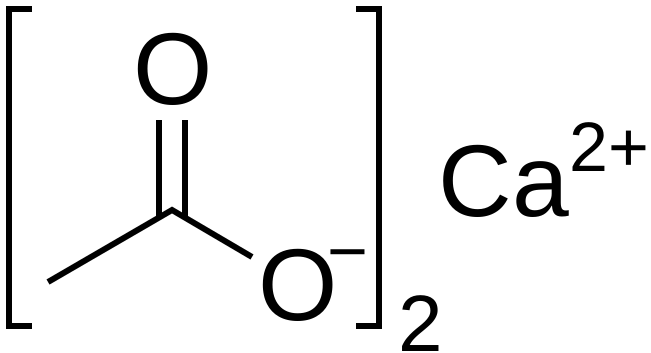
What is Calcium Acetate?
- A phosphate binder used to treat high phosphate levels (hyperphosphataemia), most commonly in people with chronic kidney disease (CKD).
- It works by binding phosphate from food, reducing how much phosphate is absorbed into the blood.
How it works
- The mechanism of action of calcium acetate involves binding to dietary phosphate in the gut
- As a phosphate binder, calcium acetate forms insoluble compounds with phosphate that are excreted in the stool.
- This process lowers blood phosphate levels, which helps maintain healthier bones in patients with chronic kidney disease.
Uses
Calcium acetate is used for patients with:
- Hyperphosphataemia in chronic kidney disease (CKD)
- This includes patients receiving haemodialysis or peritoneal dialysis
Dosage
- Dose: The usual dose of calcium acetate (475 mg) is taken with meals and adjusted according to blood phosphate levels
- Calcium acetate is available as capsules, tablets, or liquid – commonly 1–2 tablets/capsules with each meal
- Dose adjustments: Based on phosphate and calcium blood tests
Note. Calcium acetate should be taken exactly as prescribed, and doses should not be changed without medical advice.
Side-effects
Most calcium acetate side effects are mild but may be linked to raised calcium levels.
- Nausea
- Constipation
- Reduced appetite
Signs of high calcium levels (hypercalcaemia)
- Itching
- Red eyes
- Weakness
- Confusion
- Increased thirst or urination
Note. Medical advice should be sought soon if these symptoms of hypercalcaemia occur.
Monitoring
Doctors should monitor:
- Blood phosphate levels
- Blood calcium levels
- Parathyroid hormone levels (PTH), if required
- Kidney function tests (e.g. creatinine and GFR)
Blood tests should be more frequent when starting treatment or adjusting the dose.


