18 Best Weight Loss Tips – Doctors Advice
Written by Dr Andrew Stein, Consultant Physician (Hospital Specialist), UHCW Coventry. Last updated: June 2026
Losing weight permanently requires a long-term shift in both daily habits, and your overall approach to nutrition. Being consistent is the key.
This comprehensive guide outlines the eighteen tips I give my patients (many of whom have diabetes as they are overweight or obese) ranked by importance; to help you effectively manage your health and achieve sustainable results.
Are you ready? Here we go. Start at the top of the list (most important).
-
Rule Number One: Eat Less Than 2000 Calories a Day
-
Be Consistent
-
Eat Only When Hungry
-
Stick to 3 Meals a Day
-
Cut Out Starters, Puddings and Snacks Entirely
-
Use the ‘T-Plate’ Method for Portion Control
-
Drink a Large Glass of Water (or Equivalent) Before and With Every Meal
-
Measure Weight Weekly
-
Minimise or Avoid Alcohol
-
Review Your Medication
-
Stress Less Every Day
-
Prioritise Quality Sleep
-
Skip Unnecessary Supplements, Minerals and Vitamins
-
Rethink Intermittent Fasting
-
Exercise Three Times a Week
-
Use Food Calorie Apps
-
Consider Medical Interventions
-
Focus on Permanent Habit Change
1. Rule Number One: Eat Less Than 2000 Calories a Day
In other words, prioritise calorie control. This largely relates to portion control (see T Plate in Point 6).
Consistently maintaining a caloric deficit is the absolute foundation of shedding pounds, making this the single most crucial step in your journey. Men and women need different targets:
-
Men: Should target under 2,000 calories per day.
-
Women: Should target under 1,500 calories per day.
By adhering to these targets at least six days a week, you create a ‘biological necessity’ for your body to tap into stored adipose tissue (fat) for fuel. And you will lose weight. We promise.
2. Be Consistent
Sustained weight loss requires a long-term commitment to your new habits rather than jumping between short-lived, restrictive diets.
3. Eat Only When Hungry
Learning to tune into your body’s actual physiological hunger signals prevents emotional eating and unnecessary overconsumption.
4. Stick to 3 Meals a Day
Sticking strictly to three structured meals helps regulate your metabolism and eliminates the hidden, extra calories that come from mindless grazing.
Eating 3 meals a day means no snacks. Talking of which ..
5. Cut Out Starters, Puddings and Snacks entirely
Eliminating between-meal eating ensures your insulin levels can stabilise and keeps your daily caloric intake low.
Cutting out appetisers and desserts during a meal, is a not too difficult way to reduce your caloric intake significantly – without sacrificing the main course.
6. Use the ‘T-Plate’ Method for Portion Control

Visual cues are often more effective than scales.
Use a medium-sized plate and apply the T Plate Model as described in the NHS’s Eatwell Guide principles:
Exactly what you eat and when doesn’t matter that much.
7. Drink a large glass of water (or equivalent) before and with every meal
Staying properly hydrated helps prevent you from misinterpreting thirst as actual hunger.
8. Measure Weight Weekly
Stepping on the scale once a week provides an accurate reflection of your progress while avoiding the stressful, minor fluctuations of daily weighing.
Weigh yourself in the same amount of clothes, same scales, and same time of day.
9. Minimise or Avoid Alcohol
Liquid calories from alcoholic beverages add up incredibly fast and simultaneously lower your inhibitions, making overeating much more likely.
Beer and wine (and all forms of alcohol) are highly calorific.
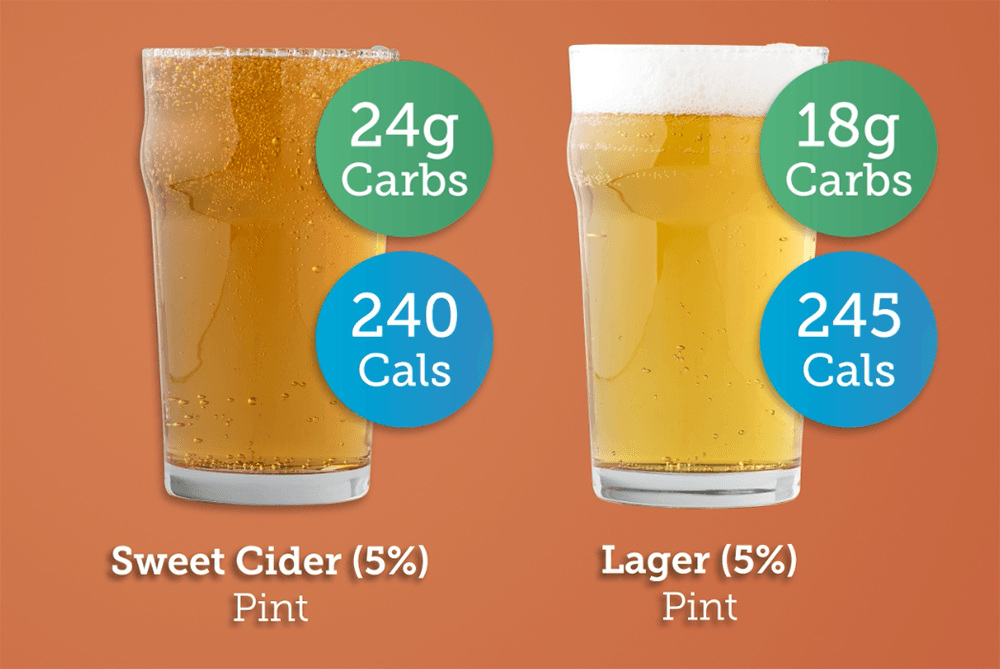
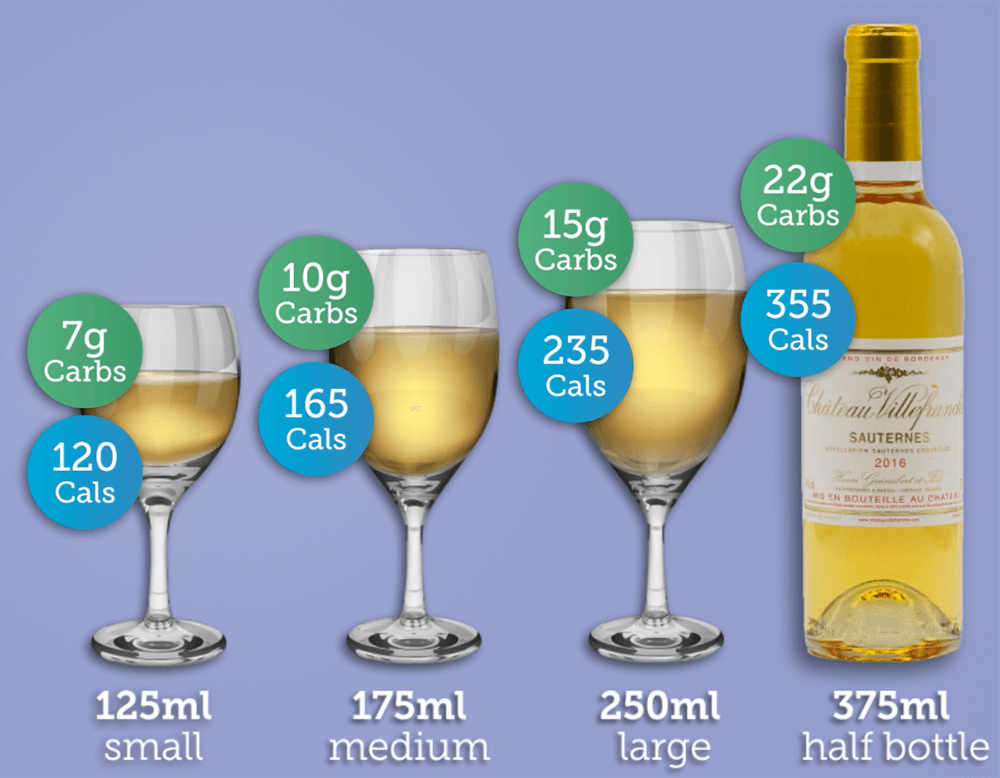
If you have to drink, spirits (plus or minus a slimline mixer) are best.
It’s better to drink minimal or no alcohol.
10. Review Your Medication
Certain prescription drugs (e.g. steroids) can actively trigger weight gain or stall progress in losing weight; so it is vital to discuss potential alternatives with your doctor.
Conversely a lack of medication (e.g. thyroxine if you are hypothyroid) will contribute to weight gain.
11. Stress Less every Day
High stress elevates cortisol levels, which directly increases your cravings for high-calorie comfort foods and slows your progress.
12. Prioritise Quality Sleep
Getting adequate rest regulates the hormones that control hunger and fullness, making it much easier to stick to your dietary goals.
13. Skip Unnecessary Supplements, Minerals and Vitamins
Unless prescribed by a doctor for a specific deficiency, over-the-counter weight loss pills, supplements, minerals and vitamins, offer no proven benefit for burning fat.
14. Rethink Intermittent Fasting
Restricting your eating to tight windows is often unhelpful and unsustainable compared to steady, balanced nutrition throughout the day.
15. Exercise Three Times a Week
Exercise 3x a week, but do not expect it to cause weight loss
You cannot ‘out-run a bad diet;’ but movement preserves muscle mass, and in that way, helps overall health. It does not (repeat not) help you lose weight. Why?
You need to walk 7km to burn 500 calories—the equivalent of one small meal.
Nonetheless, it is a good idea to aim for 150 minutes of moderate activity per week.
Focus on strength training during workouts. Building lean muscle mass through resistance training helps support your resting metabolic rate as your body changes.
16. Use Food Calorie Apps
Self-monitoring is the highest predictor of success. People who track their food lose significantly more weight.
-
MyNetDiary: Renowned for its massive, verified food database and ease of use.
-
Noom: Focuses on the psychology of eating and habit-building.
17. Consider Medical Interventions
Consider weight loss medication like GLP-1 agonists (e.g. Semaglutide (Ozempic® and Wegovy®) and Tirzepatide (Mounjaro®).
For those struggling with chronic hunger, modern clinical treatments can effectively reduce appetite when used under medical supervision.
Consider bariatric surgery if severely obese
When lifestyle changes and medications fail to yield results for severe obesity, surgical options can provide a life-saving reset for your health.
18. Focus on Permanent Habit Change for Long-Term Maintenance
True success lies in consistency and completely redefining your relationship with food; so that the weight you lose stays off permanently.
Focus on long-term behavioural change rather than quick fixes. True success lies in completely redefining your relationship with food so that the weight stays off permanently.
Other resources
How to lose weight: 2000 calorue rule


