10 Surprising Facts About Urine & Human Health
Urine is far more than a simple waste product.
It is a dynamic fluid that serves as a sophisticated diagnostic tool, an evolutionary adaptation, and a historical resource.
From ancient medical practices to the survival secrets of desert wildlife and astronauts, urine tells a vivid story of survival, chemistry, and culture.
1. Urine is a Diagnostic Superpower
A single urine sample can reveal an astonishing amount about your health.
- Detects dehydration, chronic kidney disease (CKD), UTIs, diabetes, liver disorders, and pregnancy
- Modern labs analyse hundreds of biomarkers: proteins, hormones, metabolites, medications, recreational drugs, even DNA fragments
- Offers a non‑invasive window into metabolic and organ function
- Helps monitor chronic conditions
- Remains one of medicine’s simplest yet most powerful diagnostic tools

 Normal urine under a microscope
2. Human urine is a dynamic chemical cocktail
- Roughly 95% water, with the remaining 5% packed with dissolved compounds
- Urea is the main waste product, formed from protein metabolism
- Also contains creatinine, uric acid, sodium, potassium, chloride, phosphate, sulphate
- Includes hundreds of trace elements
- Kidneys filter 180 litres of blood plasma daily, returning almost all of it (99%) to circulation
3. Ancient Doctors Tasted Urine
Before modern diagnostics, physicians relied on uroscopy.
- Practised in Greece, India, China, and the Middle East
- Doctors judged urine by colour, clarity, smell — and occasionally taste
- Sweet‑tasting urine signalled diabetes mellitus long before glucose tests
- The term mellitus means “honey‑sweet”
- These early observations laid the groundwork for modern endocrinology
4. Rome’s Urine Economy (including an Emperor’s Urine Tax)
In ancient Rome, urine was big business.
- Stored urine produced ammonia, a powerful cleaning agent
- Fullones (launderers) used it to wash clothes, whiten wool, and tan leather
- Public urinals collected urine for commercial use
- Emperor Vespasian taxed urine collection — the vectigal urinae
- His famous defence: Pecunia non olet — “Money does not smell”
5. Phosphorus: The Glowing Gift of Boiled Urine
A failed alchemical experiment changed chemistry forever.
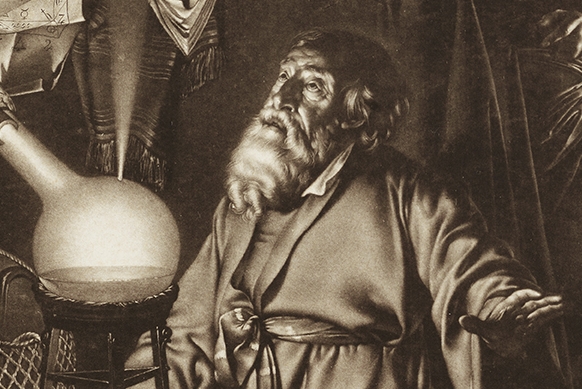
- In 1669, Hennig Brand boiled down hundreds of gallons of urine
- He hoped to create the Philosopher’s Stone
- Instead, he isolated a glowing, reactive white substance
- Brand had discovered phosphorus, the first new element since antiquity
- His accidental breakthrough helped launch modern chemical science
6. Rodents Leave Glowing Urine Trails
Many rodents communicate in wavelengths humans can’t see.
- Their urine reflects ultraviolet light
- Creates glowing scent trails visible to UV‑sensitive animals
- Helps rodents navigate, find mates, and mark territory
- Predators like kestrels track prey using these luminous trails
- A hidden communication network exists right under our noses
7. Desert Animals are Masters of Water Conservation
In extreme environments, urine becomes a survival tool.
- Kangaroo rats produce urine five times more concentrated than humans
- They obtain all water from seeds and excrete a thick paste
- Desert tortoises store litres of water in their bladders
- Camels conserve water by producing highly concentrated urine
- These adaptations allow life to thrive where water is scarce
8. Urine is a Chemical Telegram in the Animal Kingdom
Animals use urine to send complex messages.
- Maned wolves’ urine smells like cannabis due to pyrazines
- Male hippos spray urine while spinning their tails to mark territory
- Lobsters “pee at each other” during fights to signal dominance
- Many species identify mates, rivals, and health status through scent
- Urine is a universal language in the wild
9. In Space Urine is turned into Drinking Water
On the ISS, nothing goes to waste — not even waste.
- Water is heavy and expensive to launch
- NASA’s system recycles moisture from breath, sweat, humidity, and urine
- Advanced filtration and distillation recover 98%+ of water
- Output meets or exceeds many Earth water standards
- Astronauts joke: “Today’s coffee is tomorrow’s coffee.”
10. Urine Has Helped Millions Conceive
Urine has played a surprising role in modern medicine.
- Pregnant women’s urine contains high levels of hCG
- Post‑menopausal urine contains gonadotropins used in fertility drugs
- These hormones were purified to create life‑changing treatments
- Millions of pregnancies have been supported thanks to urine‑derived medicines
- Home pregnancy tests still rely on detecting hCG in urine today
Bonus Facts
Asparagus genetics: Eating asparagus causes a distinct, pungent smell in urine due to the breakdown of sulphur containing compounds. However, only about 50% of the population has the specific gene required to actually smell it.
Human bladder capacity: This is quite small. Did you know the average human bladder is only 300-400 millilitres of urine? Hence after a couple of pints in the pub, you will he heading for a wee soon. Most people urinate 6–8 times per day
The pH of urine is very variable: It ranges from 4.5 to 8.0, reflecting its acidic to alkaline nature. This variability is influenced by diet, hydration, disease and other metabolic factors.
Other vertebrates excrete urine differently: Not all animals excrete urine in the same way. Birds and reptiles, for instance, eliminate waste through the cloaca, a single opening for excretion and reproduction.
Conclusion
Urine is not merely waste — it’s a biological archive, a scientific catalyst, a survival mechanism, and a cultural artefact.
From ancient diagnostics to space‑age recycling, this remarkable fluid has shaped human history and continues to influence medicine, ecology, and technology.
The next time you flush the toilet, remember: you’re discarding one of biology’s most fascinating and unexpectedly useful creations.